1. Make the area safe
Before any work, the area is marked off so no one steps into it by mistake.
St. Augustine, FL · St. Johns County
Is a used needle sitting in a yard, unit or parking lot in St. Augustine? Call (877) 812-4220 for needle removal, a full sharps sweep and proper disposal in puncture-resistant containers.
If anyone is in danger, call 911 first. For a suicide crisis, call or text 988.
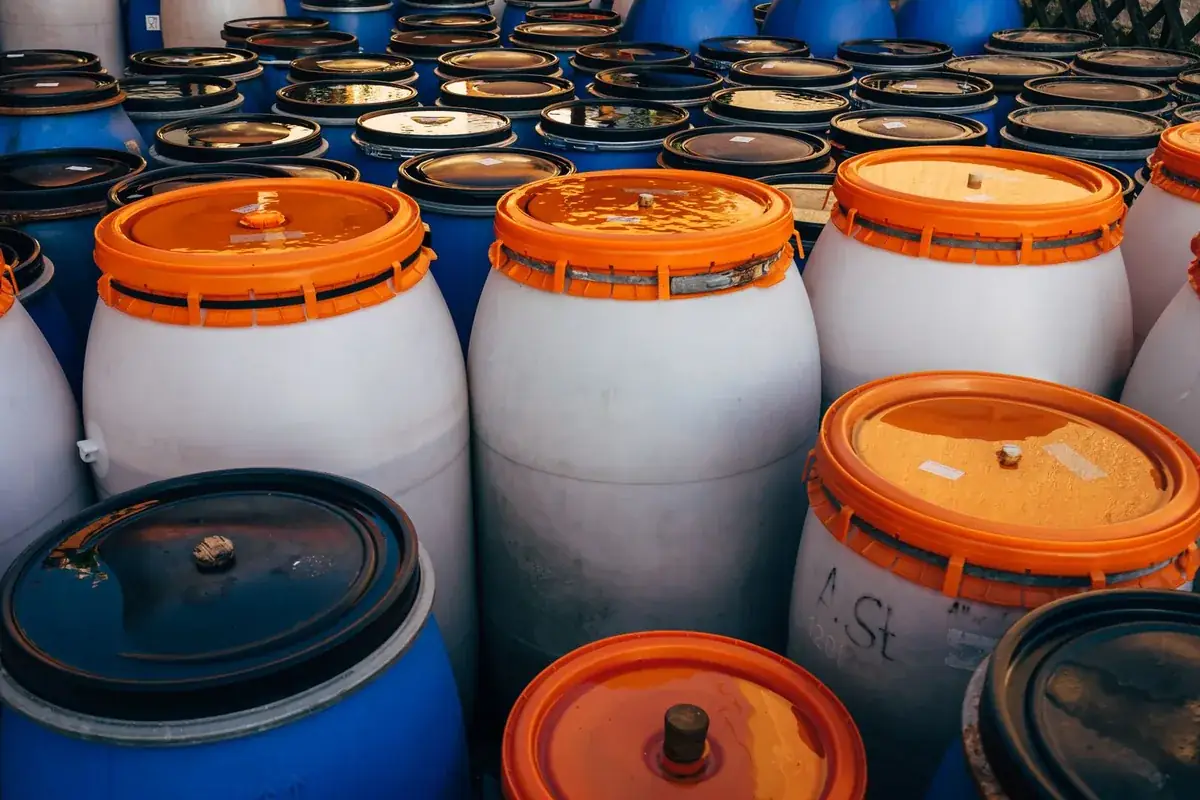
Found needle cleanup is a short phrase for an important job. A crew stays alert for hidden sharps, picks them up with long tools, places them in secure containers and clears the area for use again.
Treat a found needle in St. Augustine as a safety problem first, and call St. Augustine Biohazard Cleanup Help for help anywhere in St. Johns County. The team keeps people clear, collects sharps into sealed containers and disinfects any surface that came into contact with them, so your property is safe again.
Vacant buildings make up about 25% of housing in St. Augustine, and empty houses and lots are common places for discarded needles to turn up. After a needle stick, wash with soap and water and get medical care. Flagler Hospital in Saint Augustine is the closest emergency room to St. Augustine.
A typical needle & sharps cleanup job includes:
Before any work, the area is marked off so no one steps into it by mistake.
Crews check under rugs, inside vents, in pockets of clothes and in other spots where syringes are tucked away.
Containers are sealed, loaded and taken away. They leave the property as one load.
Hard surfaces are cleaned with EPA-registered products. Soaked fabrics may be removed and bagged.
The cost of needle & sharps cleanup in St. Augustine, FL depends on the amount of material, how it is packed and how it is hauled.
Repeat sweeps cost differently from one-time jobs. A property where needles keep appearing may do better with a schedule.
| Type of job | Typical range |
|---|
Published ranges only (); every needle & sharps cleanup job in St. Augustine is priced after an on-site look. Price drivers include number of items, where they are found, whether a sweep of a large area is needed, waste disposal. Questions? Call (877) 812-4220.
Loose needles should not go in household trash, because they can stab sanitation workers. Rules for small amounts of household sharps vary by city and county. The local health department can say what is allowed, and a cleanup team can take larger amounts.
Safer options exist. Many cities and health departments have programs for found needles and may give instructions or send someone. If you are unsure, do not touch it. Leaving a needle in place and keeping others away is safer than risking a stick.
In many cases the person who calls does not need to be at the property. Ask the team how access and keys can be arranged. Many teams can also arrive in an unmarked vehicle, so ask about that if privacy matters to you.
Wash the area with soap and water and get medical care right away. Call 911 in an emergency, or Poison Control with exposure questions. Tell the doctor what happened and where the needle was found, if you know. Do not wait to see whether symptoms appear.
Yes. Insulin pen needles, lancets and similar small devices are sharps, even though they are used for health care. They should go into a rigid container, never loose into trash.
Yes. Dogs and cats may sniff, chew or step on sharps. Keep pets away from the area until a cleanup team has searched it. If a pet is stuck or swallowed something, call a veterinarian right away.
Do not pick it up. Call and let a cleanup team remove it safely.
Call (877) 812-4220